A furnace rarely quits without warning. In most cases, your heating system gives off clear signals before it completely breaks down. The problem is that many homeowners don’t recognize the signs your furnace is about to fail until they’re stuck with no heat on a cold day.
If you’re wondering whether your furnace is going bad, here’s the short answer:
Most furnaces last 15–20 years. If yours is showing multiple warning signs like uneven heating, strange noises, rising energy bills, or frequent repairs, it may be nearing the end of its lifespan and replacement could be the smarter choice.
In this guide, we’ll walk through:
- The most common furnace replacement warning signs
- How long furnaces typically last
- When to repair vs replace
- What failure symptoms mean
- How to prevent emergency breakdowns
- What to expect if replacement becomes necessary
Whether you’re experiencing subtle performance changes or major heating issues, this article will help you make a confident decision.
How Long Do Furnaces Last?
Before we discuss failure signs, it’s important to understand normal lifespan expectations.
Average Furnace Lifespan by Type
| Furnace Type | Average Lifespan |
|---|---|
| Gas Furnace | 15–20 years |
| Electric Furnace | 20–30 years |
| Oil Furnace | 15–20 years |
| High-Efficiency Furnace | 15–20 years |
Several factors affect longevity:
- Installation quality
- Maintenance history
- Usage intensity
- Climate
- Air filter replacement frequency
- Ductwork condition
If your furnace is over 15 years old and experiencing problems, replacement may be more cost-effective than continued repairs.
15 Signs Your Furnace Is About to Fail
Below are the most common signs furnace is going bad, ranked from subtle to urgent.
1. Your Furnace Is 15+ Years Old
Age is the single biggest predictor of failure.
Even if it still works, an aging furnace:
- Becomes less efficient
- Requires more frequent repairs
- Struggles in extreme temperatures
- Costs more to operate
If your furnace is approaching 20 years, planning ahead prevents emergency replacement.
2. Frequent Repairs
If you’re calling for service every heating season, your furnace may be in decline.
The Repair Rule:
If repair costs exceed 50% of replacement cost, replacement is usually smarter.
Multiple component failures often signal systemic wear.
3. Rising Energy Bills
A failing furnace works harder to produce the same heat.
Signs include:
- Higher gas or electric bills
- Longer heating cycles
- System running constantly
Efficiency naturally declines with age, especially in older models under 80% AFUE.
4. Uneven Heating Throughout the House
Cold rooms or inconsistent temperatures can indicate:
- Failing blower motor
- Heat exchanger problems
- Aging ductwork
- Declining system output
If some rooms never warm up properly, your furnace may be struggling.
5. Strange Noises
Furnaces shouldn’t be loud.
Common warning sounds:
- Banging (ignition delay)
- Rattling (loose components)
- Squealing (belt or motor issues)
- Grinding (motor bearings failing)
- Popping (metal expansion or dirty burners)
New or worsening noises are often early furnace replacement warning signs.
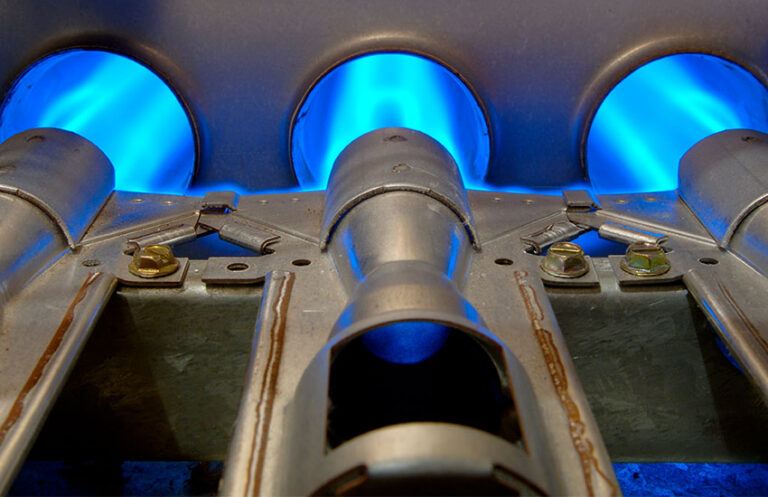
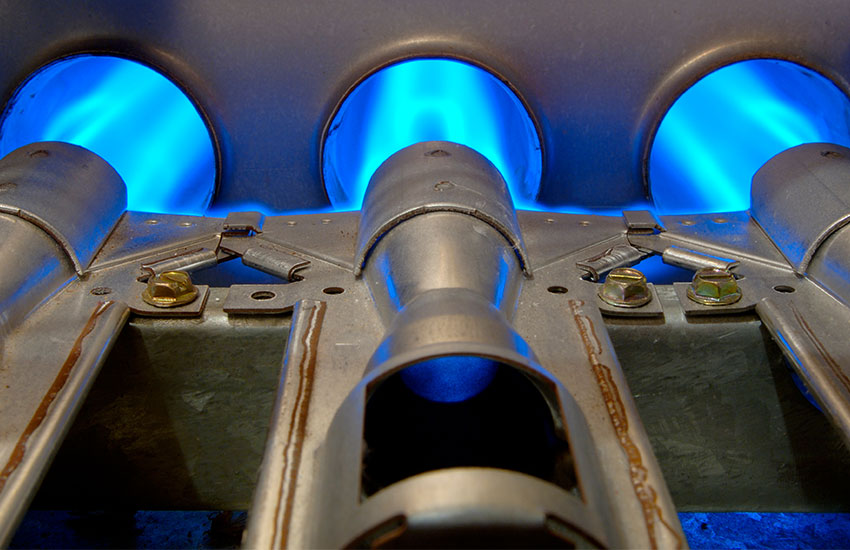
6. Yellow Burner Flame (Gas Furnaces)
A healthy gas furnace flame is blue.
If it’s yellow or flickering, this may indicate:
- Improper combustion
- Carbon monoxide risk
- Dirty burners
- Cracked heat exchanger
This is a serious safety issue that requires immediate inspection.
7. Short Cycling
Short cycling happens when the furnace turns on and off rapidly.
Causes include:
- Overheating
- Faulty thermostat
- Clogged filters
- Failing control board
Frequent short cycles strain internal components and shorten lifespan.
8. Excess Dust or Poor Indoor Air Quality
An aging furnace may:
- Circulate more dust
- Fail to filter properly
- Create dryness issues
- Increase allergy symptoms
If you notice worsening air quality, your heating system may be declining.
9. Difficulty Starting
If your furnace:
- Hesitates to ignite
- Takes multiple attempts
- Shuts down randomly
It may have ignition system or control board failure developing.
10. Visible Rust or Corrosion
Physical signs of deterioration include:
- Rust on the cabinet
- Corroded vent pipes
- Flaking metal
- Cracked heat exchanger housing
Corrosion is a strong indicator that replacement is near.
11. Cracked Heat Exchanger
This is one of the most serious furnace failure signs.
A cracked heat exchanger can:
- Leak carbon monoxide
- Cause system shutdown
- Lead to safety hazards
Repair is rarely cost-effective. Replacement is usually required.
12. Blower Motor Issues
Signs include:
- Weak airflow
- Loud humming
- Fan not turning off
- Air not circulating properly
Blower motor replacements can be expensive in older systems.
13. Furnace Smells
Common concerning smells:
- Burning plastic
- Electrical smell
- Musty odor
- Gas smell
Persistent odors require immediate professional evaluation.
14. System Runs Constantly
If your furnace never seems to shut off, it may be:
- Undersized
- Failing
- Losing efficiency
- Struggling against duct leaks
Continuous operation increases wear dramatically.
15. You’re Planning to Sell Your Home
Older HVAC systems can impact resale value.
Replacing before listing may:
- Increase buyer confidence
- Improve inspection results
- Prevent negotiation issues
Furnace Repair or Replace? How to Decide
“Furnace repair or replace?”
Here’s how to think through it logically.
When Furnace Repair Makes Sense
- Unit is under 10 years old
- Problem is minor
- Repair cost is low
- System has strong efficiency rating
- No history of repeated issues
When Furnace Replacement Is Smarter
- Furnace is over 15 years old
- Repair costs are high
- Multiple components failing
- Energy bills rising
- Major safety concerns
Cost Comparison: Repair vs Replacement
| Scenario | Estimated Cost |
|---|---|
| Minor Repair | $150–$400 |
| Major Repair | $600–$1,200 |
| New Furnace Installation | $4,000–$8,000+ |
While replacement costs more upfront, it eliminates recurring repair expenses and improves efficiency.
How Modern Furnaces Compare to Older Systems
Many older furnaces operate at 70–80% efficiency.
Modern high-efficiency systems operate at:
- 90–98% AFUE
Efficiency Comparison
| Furnace Type | Efficiency | Waste Energy |
|---|---|---|
| 20-Year-Old Furnace | 75% | 25% wasted |
| Modern Furnace | 95% | 5% wasted |
Upgrading can reduce heating costs significantly.
What Causes Furnaces to Fail Prematurely?
Several factors shorten furnace lifespan:
- Skipping annual maintenance
- Not replacing air filters
- Poor ductwork
- Oversized or undersized installation
- High static pressure
- Ignoring early warning signs
Preventative maintenance can extend life by 3–5 years.
How to Prevent Emergency Furnace Failure
Preventive steps include:
- Annual professional tune-ups
- Replace filters every 1–3 months
- Keep vents clear
- Install carbon monoxide detectors
- Monitor unusual noises
Small steps prevent big problems.
Should You Upgrade Instead of Replace?
If your furnace is failing, you may also consider:
- High-efficiency gas systems
- Heat pump hybrid systems
- Smart thermostats
- Zoned heating systems
Upgrading improves comfort and long-term savings.
Final Thoughts: Recognizing the Signs Your Furnace Is About to Fail
Most furnaces don’t fail overnight. They provide warning signs.
If you notice:
- Increasing repairs
- Higher energy bills
- Uneven heating
- Loud noises
- Safety concerns
It may be time to evaluate replacement.
Being proactive prevents emergency breakdowns and protects your family’s comfort.
Need Help In Albuquerque, NM?
If you’re noticing signs your furnace is going bad or you’re unsure whether to repair or replace, 505 Plumbing, Heating & Cooling can help.
Our licensed technicians provide honest inspections, repair recommendations, and high-efficiency furnace replacement options.
📞 Call (505) 560-3865
🌐 Visit https://505plumbing.com/contact/
We treat every home like it’s our own.