If you’ve ever turned on the hot water and waited… and waited… and waited some more, you’re not alone. One of the most common plumbing complaints homeowners have is:
“Why does my water heater take so long to heat up?”
The short answer:
Your water heater is slow to heat up due to issues like sediment buildup, aging equipment, long pipe runs, undersized systems, failing components, or plumbing inefficiencies. Some causes are simple fixes, while others may require professional repair or replacement.
In this guide, we’ll break down the 8 most common reasons your water heater takes too long to heat up, how to diagnose the issue, and what you can do to fix it—whether it’s a quick DIY solution or something that needs a professional.
What’s Normal vs Too Slow?
Before diving into problems, it’s important to know what “normal” looks like.
Typical Hot Water Wait Times:
- Tank water heater: 30 seconds – 2 minutes
- Tankless water heater: 10–60 seconds (depending on distance)
- Large homes or long pipe runs: Up to 2–3 minutes
If you’re waiting longer than this consistently, there’s likely an issue.
8 Reasons Your Water Heater Takes Too Long to Heat Up
1. Sediment Buildup Inside the Tank (Most Common Cause)
Over time, minerals from hard water settle at the bottom of your water heater tank.
Why this slows heating:
- Creates a barrier between burner/heating element and water
- Forces the system to work harder
- Increases heat-up time
- Reduces efficiency
Signs of sediment buildup:
- Popping or rumbling noises
- Longer heating cycles
- Reduced hot water capacity
- Higher energy bills
Solution:
- Flush your water heater once per year (every 6 months in hard water areas)
2. Long Distance Between Heater and Fixtures
Sometimes the issue isn’t the heater—it’s your plumbing layout.
Why this matters:
- Water has to travel through pipes before reaching your faucet
- Longer pipe runs = longer wait times
- Heat loss occurs during travel
Common situations:
- Large homes
- Water heater located in garage or basement
- Bathrooms far from the heater
Solutions:
- Install a hot water recirculation pump
- Insulate pipes
- Consider point-of-use heaters for distant areas
3. Failing Heating Elements (Electric Water Heaters)
Electric water heaters rely on heating elements inside the tank.
What happens when one fails:
- Water heats much slower
- Recovery time increases significantly
- You may run out of hot water faster
Signs:
- Lukewarm water
- Inconsistent temperatures
- Slow recovery after use
Solution:
Replace faulty heating elements (relatively inexpensive fix).
4. Burner Issues (Gas Water Heaters)
Gas water heaters use burners to heat water quickly.
Problems that slow heating:
- Dirty burners
- Weak flame
- Gas pressure issues
- Ignition problems
Signs:
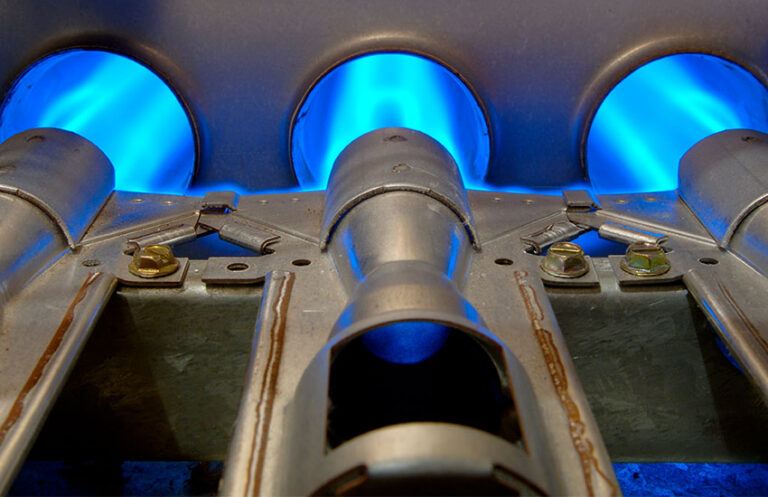
- Yellow flame instead of blue
- Soot buildup
- Delayed heating
Solution:
Professional cleaning or adjustment is recommended.
5. Undersized Water Heater
If your water heater is too small for your household, it will constantly struggle to keep up.
Signs your unit is undersized:
- Runs out of hot water quickly
- Slow recovery between uses
- Multiple fixtures cause delays
Example:
| Household Size | Recommended Tank Size |
|---|---|
| 1–2 people | 30–40 gallons |
| 3–4 people | 40–50 gallons |
| 5+ people | 50–80 gallons |
Solution:
Upgrade to a properly sized tank or switch to a tankless system.
6. Aging Water Heater
Older water heaters lose efficiency over time.
Why aging systems slow down:
- Internal wear
- Sediment accumulation
- Reduced heating efficiency
- Component degradation
Lifespan:
- Tank: 8–12 years
- Tankless: 15–20 years
Solution:
If your unit is over 10 years old and slowing down, replacement may be more cost-effective.
7. Pipe Insulation Issues
Uninsulated pipes allow heat to escape before water reaches your faucet.
Effects:
- Longer wait times
- Heat loss
- Increased energy usage
Solution:
- Install foam pipe insulation
- Focus on exposed pipes in garages, crawl spaces, or basements
8. Water Heater Thermostat Settings
If your thermostat is set too low, heating takes longer.
Recommended setting:
- 120°F
Signs of incorrect settings:
- Water never feels hot enough
- Longer wait times
- Inconsistent temperatures
Solution:
Adjust thermostat carefully (avoid going too high to prevent scalding).
Tank vs Tankless: Which Heats Faster?
Comparison Chart
| Feature | Tank Water Heater | Tankless Water Heater |
|---|---|---|
| Initial hot water | Immediate (stored) | Slight delay |
| Continuous supply | Limited | Unlimited |
| Recovery time | Moderate | Instant |
| Efficiency | Lower | Higher |
Key takeaway:
- Tank heaters give faster initial delivery
- Tankless systems provide continuous hot water but still depend on pipe distance
How to Diagnose the Problem Quickly
Use this simple checklist:
Step 1: Is the delay at all fixtures?
- Yes → System issue
- No → Fixture or pipe issue
Step 2: Do you hear noises from the tank?
- Yes → Likely sediment buildup
Step 3: Does hot water run out quickly?
- Yes → Undersized or failing system
Step 4: Is your unit older than 10 years?
- Yes → Consider replacement
Best Solutions Based on the Cause
| Problem | Best Fix |
|---|---|
| Sediment buildup | Flush tank |
| Long pipe runs | Recirculation pump |
| Bad heating element | Replace element |
| Dirty burner | Clean or repair |
| Undersized unit | Upgrade system |
| Aging heater | Replace unit |
| Heat loss in pipes | Insulate pipes |
| Thermostat issue | Adjust settings |
Should You Repair or Replace Your Water Heater?
Repair if:
- Unit is under 8 years old
- Issue is minor
- No corrosion or leaks
Replace if:
- Unit is 10+ years old
- Repairs are frequent
- Efficiency is declining
- Heating is consistently slow
How to Prevent Slow Heating in the Future
Maintenance tips:
- Flush tank annually
- Replace anode rod every 3–5 years
- Install water softener (in hard water areas)
- Insulate pipes
- Schedule yearly inspections
Preventive maintenance can extend system life and improve performance.
When to Call a Professional
Call a plumber if:
- Water heater takes excessively long to heat
- You hear loud noises
- Water is inconsistent
- Unit is leaking
- You suspect gas or electrical issues
Professional diagnostics ensure the root cause is fixed—not just the symptoms.
Final Thoughts: Why Your Water Heater Takes So Long to Heat Up
If your water heater is slow, it’s almost always due to:
- Sediment buildup
- Aging equipment
- Plumbing layout
- Component failure
The good news? Most issues are fixable—and identifying them early can save money and prevent full system failure.
📞 Need Help in Albuquerque, NM?
If your water heater is taking too long to heat up, 505 Plumbing, Heating & Cooling can diagnose the issue and get your hot water back fast.
We handle repairs, maintenance, and full system replacements with honest recommendations and expert service.
📞 Call (505) 560-3865
“We treat every home like it’s our own.“