When temperatures drop below freezing, your plumbing system becomes vulnerable to one of the most expensive and destructive household problems: frozen and burst pipes. Every winter, thousands of homeowners across cold regions experience water damage, emergency repairs, and costly insurance claims—all because pipes weren’t properly prepared for winter.
The short answer:
To prevent frozen or burst pipes in cold regions, homeowners need to insulate exposed plumbing, seal air leaks, maintain steady indoor temperatures, protect outdoor lines, and address weak points before freezing weather arrives.
In this guide, we’ll cover everything you need to know about winter plumbing prep, including why pipes freeze, which pipes are most at risk, step-by-step prevention strategies, what to do during extreme cold, and how to respond quickly if a pipe freezes or bursts. Whether you live in a mild cold climate or an area with prolonged freezing temperatures, this article will help you protect your home all winter long.
Why Winter Plumbing Prep Matters
Frozen and burst pipes aren’t just inconvenient—they can cause major structural damage in a very short amount of time.
A burst pipe can:
- Release hundreds of gallons of water per hour
- Flood walls, floors, and ceilings
- Destroy drywall, insulation, and flooring
- Lead to mold growth
- Require extensive repairs and restoration
The good news? Most frozen pipe disasters are completely preventable with proper winter plumbing preparation.
How Pipes Freeze (And Why They Burst)
Understanding how pipes freeze helps explain why prevention is so important.
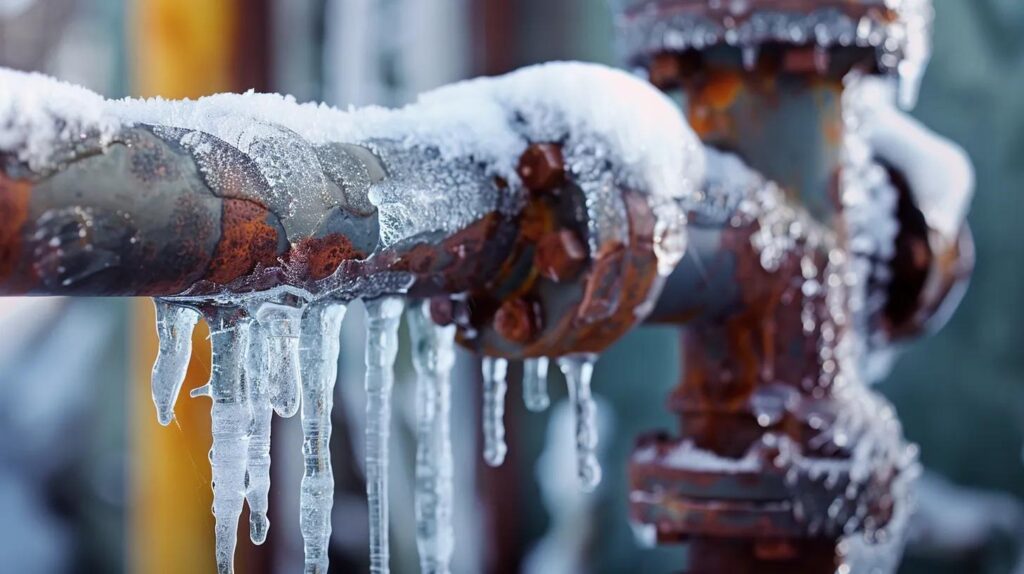
The Science Behind Frozen Pipes
When temperatures drop below 32°F:
- Water inside the pipe begins to freeze
- Ice expands (water expands about 9% when frozen)
- Pressure builds inside the pipe
- The pipe cracks or bursts—often not at the frozen spot, but nearby
Once temperatures rise and the ice melts, water flows freely through the crack, causing flooding.
Pipes Most at Risk of Freezing in Winter
Some pipes are far more vulnerable than others.
High-Risk Pipes Include:
- Pipes in unheated areas (garages, basements, crawl spaces)
- Pipes in exterior walls
- Outdoor spigots and hose bibs
- Pipes near drafty windows or doors
- Plumbing under kitchen and bathroom sinks
- Pipes serving rarely used rooms
- Mobile home plumbing systems
If your home has any of these conditions, winter plumbing prep is especially critical.
Winter Plumbing Prep Checklist (Quick Overview)
If you want the quick version, here’s a snapshot of what we’ll cover in detail below:
✅ Insulate exposed pipes
✅ Seal air leaks around plumbing
✅ Disconnect and drain outdoor hoses
✅ Protect outdoor faucets
✅ Keep indoor temperatures consistent
✅ Allow faucets to drip in extreme cold
✅ Open cabinet doors for airflow
✅ Shut off and drain unused water lines
✅ Winterize vacant or seasonal homes
✅ Know how to shut off your main water supply
Step-by-Step: How to Prevent Frozen Pipes in Winter
1. Insulate Exposed Pipes (Most Important Step)
Pipe insulation is one of the easiest and most effective ways to prevent freezing.
Where to Insulate:
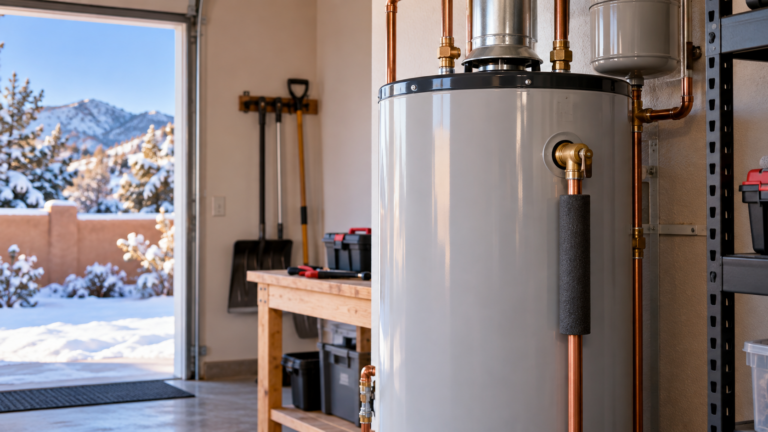
- Basements and crawl spaces
- Garages
- Attics
- Exterior wall plumbing
- Under sinks
- Near foundation walls
Insulation Options:
| Type | Best Use |
|---|---|
| Foam pipe sleeves | Most residential pipes |
| Fiberglass wrap | Larger pipes |
| Heat tape (electric) | Extreme cold areas |
| Spray foam | Wall penetrations |
Tip: Insulating just the first 3–6 feet of pipe entering your home can dramatically reduce freezing risk.
2. Seal Air Leaks Near Plumbing
Cold air infiltration is a major cause of frozen pipes.
Common Leak Points:
- Gaps around pipes entering walls
- Cracks in foundation walls
- Unsealed crawl space vents
- Drafty windows near sinks
- Open attic access panels
Solutions:
- Use caulk or spray foam to seal gaps
- Weatherstrip doors and windows
- Install vent covers in winter
Stopping cold air from reaching pipes is just as important as insulating them.
3. Disconnect and Drain Outdoor Hoses
This simple step prevents one of the most common winter plumbing failures.
What to Do:
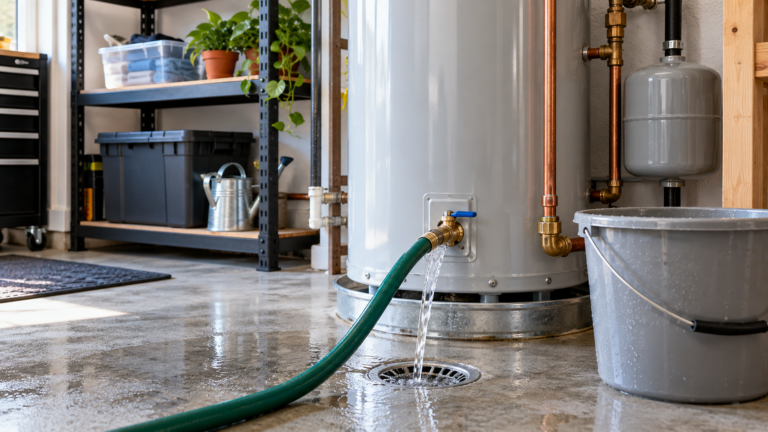
- Disconnect garden hoses
- Drain hoses completely
- Store hoses indoors
- Shut off water supply to outdoor spigots (if available)
- Open outdoor faucets to drain remaining water
Leaving a hose connected traps water inside the pipe, making freezing almost guaranteed.
4. Protect Outdoor Faucets and Hose Bibs
Outdoor plumbing is extremely vulnerable in cold regions.
Protection Options:
- Insulated faucet covers
- Frost-free hose bibs
- Interior shutoff valves with drain ports
A $5 faucet cover can prevent thousands of dollars in damage.
5. Keep Your Home Warm—Even When You’re Away
One of the biggest winter plumbing mistakes is turning the heat too low.
Recommended Minimum Temperature:
- At least 55°F at all times
Even when traveling, keep the heat on. Frozen pipes cost far more than a slightly higher heating bill.
6. Open Cabinet Doors to Improve Airflow
Pipes under sinks are often located in exterior walls.
During Cold Snaps:
- Open kitchen and bathroom cabinets
- Allow warm air to circulate
- Remove stored items blocking airflow
This small step can make a big difference during freezing nights.
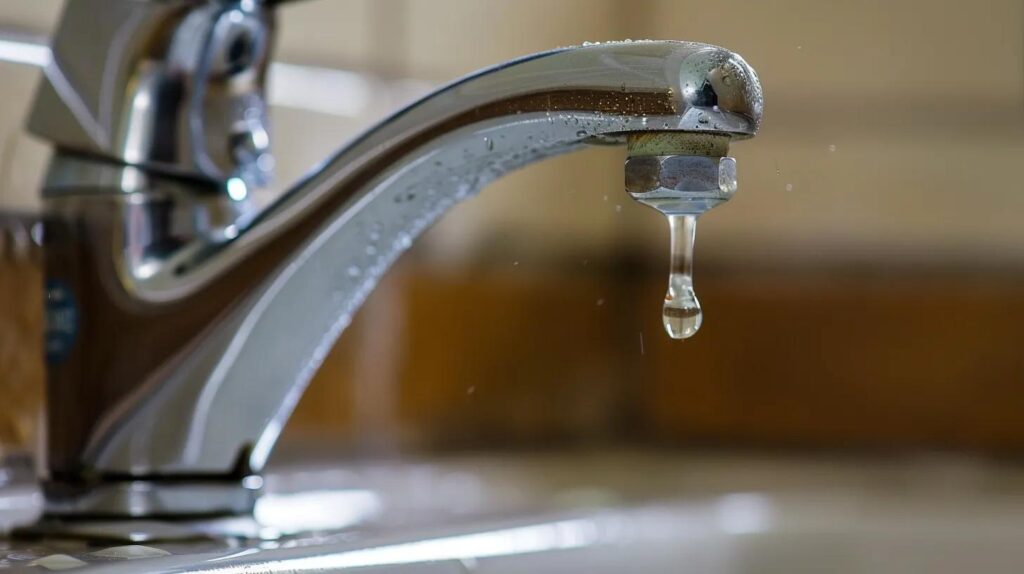
7. Let Faucets Drip During Extreme Cold
When temperatures plunge well below freezing, running water can help prevent pipes from freezing.
How Dripping Helps:
- Keeps water moving
- Reduces pressure buildup
- Prevents ice formation
Best Practice:
- Let both hot and cold faucets drip slightly
- Focus on fixtures on exterior walls
This is especially helpful during overnight temperature drops.
8. Shut Off and Drain Unused Water Lines
If parts of your home aren’t used in winter, shut them down.
Examples:
- Guest bathrooms
- Basement sinks
- Utility room fixtures
- Seasonal additions
Shutting off and draining these lines eliminates freezing risk entirely.
9. Winterize Vacant or Seasonal Homes
Vacation homes and rental properties are especially vulnerable.
Winterization Steps:
- Shut off main water supply
- Drain plumbing system
- Add antifreeze to traps
- Set thermostat to safe temperature
- Have someone check the home periodically
Vacant homes account for a large percentage of winter plumbing disasters.
10. Know Where Your Main Water Shutoff Is
If a pipe bursts, every second counts.
Why This Matters:
- Shutting off water immediately limits damage
- Reduces flooding
- Prevents mold growth
- Lowers repair costs
Make sure every adult in the household knows where the main shutoff valve is located.
Special Considerations for Extremely Cold Regions
In areas with prolonged sub-zero temperatures, additional measures may be necessary.
Extra Protection Tips:
- Install heat tape on vulnerable pipes
- Insulate crawl space walls (not just pipes)
- Upgrade to frost-free outdoor faucets
- Seal rim joists
- Consider pipe rerouting for chronic freezing issues
Signs a Pipe Is Frozen (Before It Bursts)
Recognizing early warning signs can prevent disaster.
Common Indicators:
- No water flow from a faucet
- Reduced water pressure
- Frost on exposed pipes
- Strange smells from drains
- Gurgling noises
If you suspect a frozen pipe, act immediately.
What to Do If a Pipe Freezes
Step-by-Step Response:
- Turn off the water supply
- Open the affected faucet
- Apply gentle heat (hair dryer, heating pad)
- Never use open flames
- Thaw slowly from faucet toward frozen section
If you cannot access the frozen area or pressure builds, call a professional plumber immediately.
What to Do If a Pipe Bursts
A burst pipe is a plumbing emergency.
Immediate Actions:
- Shut off the main water supply
- Turn off electricity in affected areas if needed
- Drain remaining water from faucets
- Call a licensed plumber
- Begin water cleanup ASAP
The faster you respond, the less damage your home will sustain.
Frozen Pipes vs Burst Pipes: Cost Comparison
| Scenario | Typical Cost |
|---|---|
| Pipe thawing | $150–$500 |
| Minor pipe repair | $300–$800 |
| Major burst pipe repair | $1,000–$3,000+ |
| Water damage restoration | $2,000–$10,000+ |
Preventive winter plumbing prep costs far less than emergency repairs.
DIY vs Professional Winter Plumbing Prep
DIY Tasks:
- Insulating pipes
- Sealing air leaks
- Disconnecting hoses
- Opening cabinets
- Dripping faucets
Professional Services:
- Pipe rerouting
- Heat tape installation
- Crawl space insulation
- Leak detection
- Full home winterization
Homes with repeated freezing issues often benefit from a professional evaluation.
Common Winter Plumbing Myths (Debunked)
❌ “New homes don’t get frozen pipes”
False. Poor insulation or airflow can freeze pipes in any home.
❌ “Only outdoor pipes freeze”
Interior pipes in exterior walls freeze frequently.
❌ “Dripping water wastes too much water”
Minor dripping costs far less than pipe repairs.
Final Thoughts: Winter Plumbing Prep Saves Money, Stress, and Damage
Frozen and burst pipes are among the most preventable plumbing emergencies homeowners face. With proper preparation, insulation, and awareness, you can protect your plumbing system—even in the coldest regions.
Winter plumbing prep isn’t just about avoiding inconvenience—it’s about protecting your home, your finances, and your peace of mind.
📞 Call-to-Action (Albuquerque, NM)
If you live in Albuquerque or the surrounding area, 505 Plumbing, Heating & Cooling offers professional winter plumbing inspections, pipe insulation, emergency repairs, and full cold-weather preparation.
📞 Call (505) 560-3865 today
🌐 Visit https://505plumbing.com We treat every home like it’s our own.