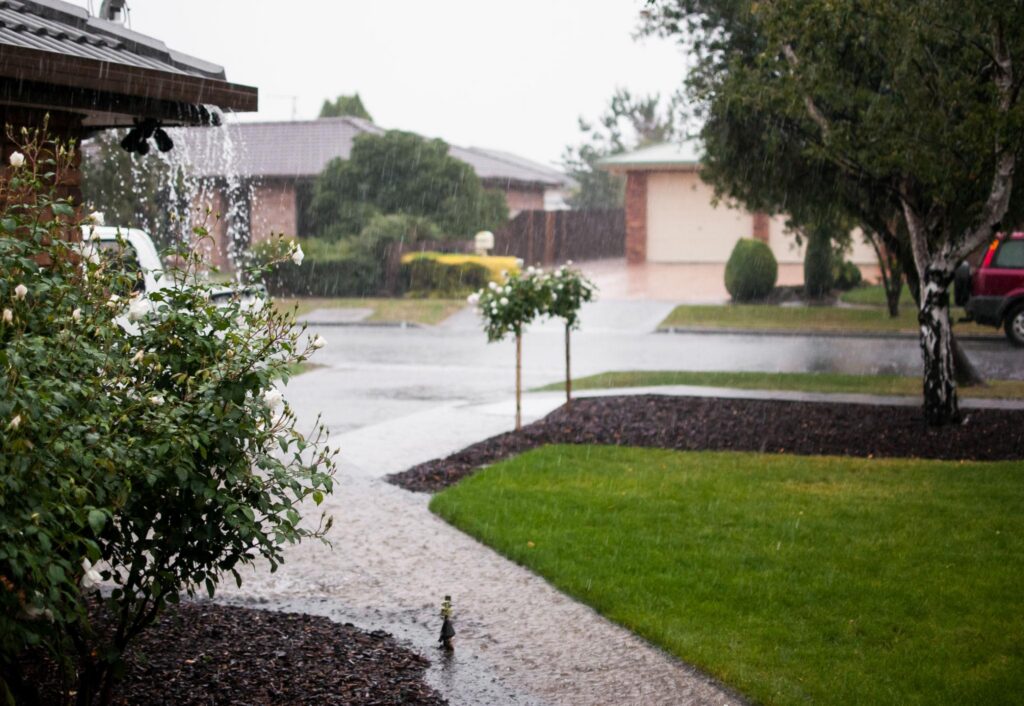
Monsoon season brings much-needed rain—but it can also bring serious plumbing problems. Heavy downpours, sudden flooding, and saturated soil can overwhelm your home’s drainage system and put your sewer line and drains at risk.
If you’re wondering how to protect your plumbing during storm season, here’s the short answer:
To protect your drains and sewer line during monsoon season, you need to prevent blockages, manage water flow, inspect vulnerable areas, and prepare your plumbing system before heavy rains arrive.
In this guide, we’ll break down the most important monsoon season plumbing tips, explain how storms affect your drainage system, and give you practical steps to prevent costly damage.
Why Monsoon Season Is Hard on Your Plumbing
Heavy rainfall doesn’t just stay above ground—it affects everything underground too.
During monsoon storms:
- Soil becomes saturated and shifts
- Sewer systems become overloaded
- Debris enters drains
- Tree roots seek out water sources
- Water pressure increases inside pipes
All of this can lead to:
- Drain backups
- Sewer line clogs
- Flooding
- Pipe damage
- Foundation issues
How Monsoon Season Impacts Drains and Sewer Lines
Understanding the risks helps you prevent them.
1. Overloaded Sewer Systems
Municipal sewer systems can become overwhelmed during heavy rain.
What happens:
- Excess rainwater enters sewer lines
- Pressure builds inside pipes
- Wastewater has nowhere to go
- Backups occur in homes
This is one of the most common causes of indoor flooding during storms.
2. Debris and Dirt Entering Drains
Stormwater carries debris into your drainage system.
Common culprits:
- Leaves
- Mud
- Sand
- Trash
- Roof runoff
These materials can clog:
- Outdoor drains
- Downspouts
- Sewer lines
3. Tree Root Intrusion
Roots naturally grow toward moisture—and monsoon season accelerates this.
Why it’s a problem:
- Roots enter small cracks in pipes
- Expand inside sewer lines
- Create major blockages
- Eventually break pipes
4. Soil Shifting and Pipe Movement
When soil becomes saturated, it shifts.
Effects on plumbing:
- Pipes can misalign
- Joints can separate
- Cracks can form
- Sewer lines may collapse
5. Backflow Into Your Home
Without proper protection, stormwater can reverse direction.
This can cause:
- Sewage backing up into sinks or tubs
- Basement flooding
- Contaminated water entering your home
Monsoon Season Plumbing Tips to Protect Your Drains and Sewer Line
Now let’s get into the most important prevention strategies.
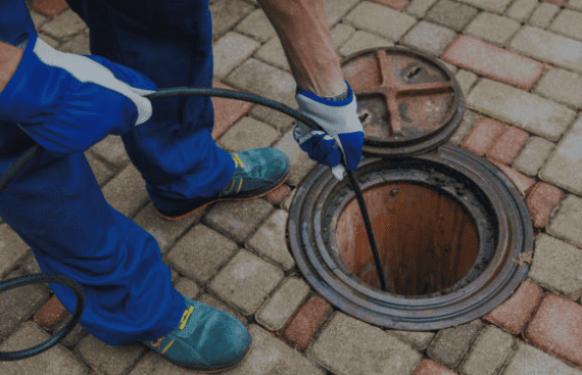
1. Schedule a Sewer Line Inspection Before Storm Season
One of the best things you can do is inspect your sewer line before heavy rain begins.
What inspections check for:
- Cracks or damage
- Root intrusion
- Blockages
- Pipe misalignment
A small issue caught early can prevent a major backup later.
2. Clean and Clear All Drains
Blocked drains are far more likely to back up during storms.
Areas to check:
- Floor drains
- Shower drains
- Kitchen sinks
- Outdoor yard drains
Tips:
- Remove visible debris
- Flush with hot water
- Avoid chemical cleaners that damage pipes
3. Keep Gutters and Downspouts Clean
Your roof drainage system plays a major role in protecting your plumbing.
Why it matters:
- Prevents overflow near foundation
- Reduces water entering sewer system
- Directs water away from your home
Best practices:
- Clean gutters regularly
- Ensure downspouts extend at least 3–6 feet from your home
4. Install a Backwater Valve
A backwater valve prevents sewage from flowing back into your home.
Benefits:
- Stops reverse flow
- Protects against sewer backups
- Essential in flood-prone areas
This is one of the most effective upgrades for storm protection.
5. Avoid Using Plumbing During Heavy Storms
When the system is overloaded, additional water use can increase risk.
During storms:
- Limit showers
- Avoid running dishwashers
- Delay laundry
Reducing usage lowers pressure on your pipes.
6. Install a Sump Pump (If You Have a Basement)
Sump pumps help remove excess water during heavy rainfall.
Benefits:
- Prevents basement flooding
- Reduces water pressure around foundation
- Protects plumbing system
Backup battery systems are highly recommended.
7. Check for Tree Roots Near Sewer Lines
If you have large trees near your home, your sewer line may be at risk.
Warning signs:
- Slow drains
- Gurgling noises
- Frequent clogs
Solutions:
- Root removal service
- Preventative treatments
- Pipe replacement if severe
8. Inspect Outdoor Drainage Systems
Yard drainage plays a huge role during monsoon season.
Check for:
- Standing water
- Clogged drains
- Poor grading
- Blocked French drains
Water should always flow away from your home.
9. Seal Cracks in Foundation and Pipe Entry Points
Stormwater can enter through small openings.
Areas to seal:
- Pipe entry points
- Foundation cracks
- Basement walls
Use waterproof sealants to prevent infiltration.
10. Know Where Your Main Shutoff Valve Is
If a backup or burst occurs, quick action is critical.
Why this matters:
- Stops water flow immediately
- Reduces damage
- Saves thousands in repairs
Make sure all household members know its location.
Common Signs of Drain or Sewer Problems During Monsoon Season
Watch for these warning signs:
- Slow draining sinks or tubs
- Water backing up in multiple fixtures
- Gurgling noises
- Sewage smell
- Water pooling in yard
- Basement flooding
If you notice any of these, act quickly.
DIY vs Professional Monsoon Plumbing Prep
| DIY Tasks | Professional Services |
|---|---|
| Cleaning drains | Sewer camera inspections |
| Clearing gutters | Hydro jetting |
| Checking downspouts | Root removal |
| Reducing water usage | Backwater valve installation |
Professional services are essential for deeper issues.
Cost of Ignoring Monsoon Plumbing Preparation
| Problem | Typical Cost |
|---|---|
| Minor drain cleaning | $150–$300 |
| Sewer line repair | $1,000–$4,000 |
| Flood damage | $2,000–$10,000+ |
| Full sewer replacement | $5,000–$15,000+ |
Prevention is always cheaper than repair.
Monsoon Plumbing Checklist
✔ Inspect sewer line
✔ Clean drains
✔ Clear gutters
✔ Install backflow protection
✔ Check yard drainage
✔ Limit water use during storms
✔ Seal entry points
✔ Prepare sump pump
Final Thoughts: Protect Your Plumbing Before the Storm Hits
Monsoon season can put serious stress on your plumbing system—but with the right preparation, most problems are completely preventable.
By following these monsoon season plumbing tips, you can:
- Avoid costly sewer backups
- Prevent flooding
- Protect your home’s foundation
- Extend the life of your plumbing system
A little preparation now can save thousands later.
📞 Need Help in Albuquerque, NM?
If you’re in Albuquerque or surrounding areas, 505 Plumbing, Heating & Cooling can help you prepare your home for monsoon season with drain cleaning, sewer inspections, and preventative services.
📞 Call (505) 560-3865
🌐 Visit https://505plumbing.com/contact/
We treat every home like it’s our own.