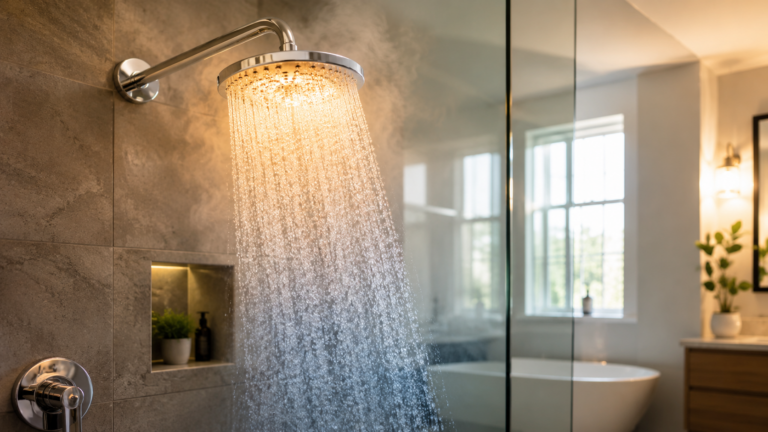
Few things are more frustrating than stepping into a warm shower only to have the hot water disappear halfway through. One minute the water feels perfect. A few minutes later, it turns lukewarm or cold, and you are left wondering what went wrong.
If you are asking, “Why does my shower lose hot water so fast?”, the most common reasons include a water heater that is too small, sediment buildup in the tank, a failing dip tube, a bad shower mixing valve, a thermostat set too low, multiple fixtures using hot water at the same time, or an aging water heater that can no longer keep up.
The quick answer is this: your shower usually loses hot water fast because your home is running out of stored hot water, your water heater is not heating efficiently, or your shower valve is mixing too much cold water into the flow. Sometimes the fix is simple, like adjusting the water heater temperature or staggering hot water use. Other times, the solution may require flushing the tank, replacing a part, repairing the shower valve, or upgrading the water heater.
In this guide, we’ll break down the real reasons your shower runs out of hot water quickly, how to troubleshoot the issue, when it is a water heater problem, when it is a plumbing fixture problem, and what solutions make the most sense.
Why Your Shower Loses Hot Water So Fast: Quick Answer
Before getting into the details, here is a quick overview of the most common causes.
| Problem | What It Means | Common Solution |
|---|---|---|
| Hot water runs out after a few minutes | Water heater may be too small or not heating fully | Check tank size, usage, and recovery rate |
| Shower gets cold but sinks stay hot | Shower valve may be failing | Repair or replace mixing valve |
| Hot water runs out faster than it used to | Sediment buildup or aging water heater | Flush tank or inspect system |
| Hot water is only lukewarm | Thermostat may be set too low or heating element may be failing | Adjust temperature or replace faulty part |
| Hot water disappears when another fixture runs | Demand is exceeding supply | Stagger usage or upgrade system |
| Tankless water heater turns cold during shower | Flow sensor, maintenance, gas, or sizing issue | Service tankless unit |
A shower that loses hot water quickly does not always mean you need a new water heater. But it is a sign that something in the system is not working the way it should.
Why Does My Shower Lose Hot Water So Fast?
There are three main categories of problems that can cause your shower to lose hot water quickly:
- Water heater capacity problems
- Water heater performance problems
- Shower valve or plumbing problems
In plain English, either your water heater is not making enough hot water, your household is using hot water faster than the system can recover, or your shower is not mixing hot and cold water correctly.
Let’s look at each cause in more detail.
1. Your Water Heater Tank Is Too Small
One of the most common reasons a shower loses hot water fast is simple: the water heater may not be large enough for the home.
Traditional tank water heaters store a set amount of hot water. Once that hot water is used, the tank refills with cold water and must heat that water again. If the tank is too small for your household, your shower may start hot but turn cold quickly.
Common tank sizes
Most homes have water heaters in these general size ranges:
| Household Size | Typical Tank Size |
| 1–2 people | 30–40 gallons |
| 2–3 people | 40–50 gallons |
| 3–5 people | 50–75 gallons |
| Larger households | 75+ gallons or multiple systems |
These are general ranges, not strict rules. Actual needs depend on shower length, fixture flow rates, appliance use, bathing habits, and how many people use hot water close together.
Why this affects your shower
If several people shower back-to-back, the dishwasher is running, or laundry is using hot water, the tank can drain quickly. Once the stored hot water is gone, your shower will turn lukewarm or cold until the water heater recovers.
Solution
If the water heater is working properly but simply cannot meet your household demand, you may need:
- A larger tank water heater
- A tankless water heater
- A high-recovery water heater
- Better hot water scheduling
- Low-flow showerheads
- Plumbing adjustments
If this has always been a problem, sizing may be the issue. If it is a new problem, something else may be affecting performance.
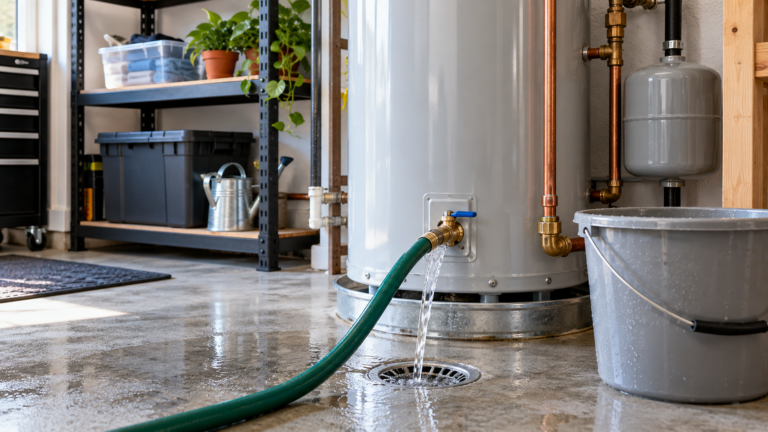
2. Sediment Buildup Inside the Water Heater
Sediment buildup is another major reason your shower may lose hot water quickly.
Over time, minerals from your water settle at the bottom of the water heater tank. This is especially common in areas with hard water. The sediment layer can reduce the amount of usable hot water in the tank and make the system work harder to heat water.
Signs of sediment buildup
You may have sediment in your water heater if you notice:
- Hot water runs out faster than it used to
- Popping or rumbling sounds from the tank
- Water takes longer to heat
- Hot water looks rusty or cloudy
- Energy bills are increasing
- The water heater is older and has not been flushed
Why sediment makes hot water run out quickly
Sediment takes up space inside the tank and creates a barrier between the burner or heating element and the water. That means your water heater may heat more slowly and deliver less hot water than it should.
A 50-gallon tank with heavy sediment may not perform like a true 50-gallon tank anymore.
Solution
A professional water heater flush may help restore performance if the tank is still in good condition. However, if the sediment has hardened or the tank is older, flushing may not fully solve the issue.
Preventive maintenance is important. Many tank water heaters should be flushed periodically to reduce sediment buildup, especially in hard water regions.
3. The Water Heater Thermostat Is Set Too Low
If your shower starts warm but does not stay hot long, the water heater thermostat may be set too low.
Most homes keep water heater temperature around 120°F for safety and efficiency. If the thermostat is set much lower, the stored water may not be hot enough to last through a full shower, especially when mixed with cold water at the fixture.
Signs the thermostat may be the issue
- Water is never very hot
- Shower turns lukewarm quickly
- All fixtures have weak hot water
- Water heater seems to run normally
- No major noises or leaks are present
Solution
Check the water heater temperature setting. Do not raise it too high without caution. Higher water temperatures increase the risk of scalding, especially for children, older adults, and vulnerable household members.
If adjusting the thermostat does not help, the thermostat itself may be failing, or a heating element may not be working properly.
4. A Heating Element May Be Failing
Electric water heaters usually have two heating elements: one near the top and one near the bottom of the tank. If one element fails, the water heater may still produce some hot water, but not enough.
This is a common reason for a shower that gets hot briefly and then quickly turns cold.
How this happens
The upper heating element heats water near the top of the tank. The lower heating element heats the rest of the tank. If the lower element fails, you may only get a small amount of hot water before the shower cools down.
Signs of a bad heating element
- Hot water runs out very quickly
- Water is lukewarm instead of hot
- Breaker may trip
- Water heater takes longer to recover
- Problem affects the whole house
Solution
A plumber or water heater technician can test the heating elements and thermostats. If the tank is in good shape, replacing a heating element may be a cost-effective repair.
5. A Failing Dip Tube Can Make Hot Water Disappear Fast
A bad dip tube is one of the more overlooked reasons a shower loses hot water quickly.
The dip tube is a pipe inside the water heater that sends incoming cold water to the bottom of the tank. This helps keep cold incoming water away from the hot water at the top of the tank.
When the dip tube breaks, cracks, or falls off, cold water can mix near the top of the tank too soon. That means lukewarm water may come out of your shower even though the tank should still have hot water.
Signs of a failing dip tube
- Shower gets cold much faster than expected
- Hot water temperature fluctuates
- Small plastic pieces may appear in faucet aerators
- Water heater seems to heat normally
- Problem affects multiple fixtures
Solution
A plumber can inspect and replace the dip tube if needed. This is often far less expensive than replacing the entire water heater, assuming the unit is otherwise in good condition.
6. Your Shower Mixing Valve May Be the Problem
If only one shower loses hot water fast, but other sinks, tubs, or showers have plenty of hot water, the problem may not be the water heater. It may be the shower valve.
Most modern showers use a mixing valve or pressure-balancing valve. This valve blends hot and cold water to create the temperature you feel at the showerhead.
If the valve is worn, clogged, misadjusted, or failing, it may allow too much cold water into the mix or restrict hot water flow.
Signs the shower valve is causing the issue
- Only one shower has the problem
- Sink nearby has hot water
- Other showers work normally
- Shower temperature changes suddenly
- Handle does not adjust temperature well
- Water gets hot, then quickly turns lukewarm
Solution
The shower cartridge or mixing valve may need to be adjusted, cleaned, rebuilt, or replaced. This is a plumbing repair, not a water heater replacement.
This is why troubleshooting matters. Replacing a water heater will not fix a bad shower valve.
7. Too Many Fixtures Are Using Hot Water at Once
Your water heater can only supply so much hot water at one time. If multiple fixtures or appliances are using hot water while you shower, the hot water may run out fast.
Common hot water users
- Showers
- Bathtubs
- Washing machines
- Dishwashers
- Bathroom sinks
- Kitchen sinks
Even if appliances are “efficient,” using several hot water fixtures at once can exceed the system’s capacity.
Example
You may have enough hot water for one 10-minute shower. But if someone starts the dishwasher and another person is washing clothes on warm or hot, the shower may cool down quickly.
Solution
Try staggering hot water use. Avoid running showers, laundry, and dishwashers at the same time. If your household regularly needs simultaneous hot water, you may need a larger tank, a tankless system, or a plumbing upgrade.
8. Your Showerhead Flow Rate Is Too High
A high-flow showerhead can drain a tank water heater quickly.
Older showerheads may use significantly more water per minute than modern low-flow models. The more water your showerhead uses, the faster hot water leaves the tank.
Why this matters
A 40-gallon tank does not provide 40 gallons of shower-temperature water. Hot water mixes with cold water at the shower valve. But if your showerhead has a high flow rate, you can still drain usable hot water quickly.
Solution
Installing a water-efficient showerhead can help your hot water last longer without major plumbing changes. Look for a showerhead that balances comfort and efficiency.
This can be one of the simplest improvements for households that run out of hot water during showers.
9. The Water Heater Is Aging
Water heaters do not last forever. As a unit ages, it may become less efficient, slower to recover, and more likely to develop performance problems.
Aging water heaters may suffer from:
- Sediment buildup
- Corrosion
- Weak heating elements
- Burner problems
- Failing thermostats
- Reduced recovery rate
- Leaks or tank deterioration
Signs your water heater may be near the end
- It is 8–12+ years old
- Hot water runs out faster than before
- Repairs are becoming frequent
- The tank makes popping or rumbling sounds
- Water looks rusty
- There is moisture around the tank
- Hot water temperature is inconsistent
Solution
If the water heater is older and repair costs are adding up, replacement may be the better long-term choice. A new unit can improve reliability, recovery time, efficiency, and comfort.
10. Tankless Water Heater Issues
Tankless water heaters are designed to heat water on demand, so they do not “run out” of stored hot water like a tank system. But they can still deliver cold or inconsistent water during a shower if something is wrong.
Common tankless causes
- Mineral scale buildup
- Dirty inlet filter
- Flow rate too low
- Gas supply issue
- Unit is undersized
- Exhaust or venting problem
- Error codes
- Multiple fixtures exceeding capacity
What “cold water sandwich” means
Some tankless systems may create a brief burst of cold water between hot water cycles. This is sometimes called a “cold water sandwich.” It can happen when hot water use starts and stops repeatedly.
Solution
Tankless systems need periodic maintenance, especially descaling in hard water areas. If your tankless water heater loses hot water during showers, have the system serviced and checked for sizing, flow, gas supply, and error codes.
11. Plumbing Crossover Can Affect Hot Water
A plumbing crossover happens when cold water pushes into the hot water line somewhere in the plumbing system. This can make hot water turn lukewarm or inconsistent.
It may be caused by a faulty mixing valve, single-handle faucet, shower cartridge, recirculation system issue, or plumbing connection problem.
Signs of plumbing crossover
- Hot water temperature changes randomly
- Multiple fixtures are affected
- Hot water does not stay hot
- Water heater appears to be working
- Turning off certain fixtures changes the problem
Solution
A plumber can isolate fixtures and valves to find where cold water is entering the hot side. This type of issue can be tricky to diagnose without experience.
12. Hot Water Recirculation Problems
Some homes have a hot water recirculation system. These systems help deliver hot water faster to distant fixtures. However, if the recirculation pump, check valve, timer, or piping setup has a problem, it can affect water temperature.
Possible recirculation problems
- Failed check valve
- Pump running at the wrong time
- Incorrect installation
- Cold water mixing into hot line
- Heat loss in long pipe runs
Solution
A plumber can inspect the recirculation pump and check valve. Proper setup can improve comfort and reduce wasted water, but a malfunctioning system can create confusing hot water problems.
How Long Should Hot Water Last in a Shower?
There is no single answer because it depends on tank size, water heater recovery rate, showerhead flow rate, incoming water temperature, and household usage.
However, here is a general example.
| Water Heater Size | Approximate Shower Performance |
| 30-gallon tank | Best for short showers or 1–2 people |
| 40-gallon tank | Common for small households |
| 50-gallon tank | Better for families or back-to-back showers |
| 75-gallon tank | Better for larger homes |
| Tankless system | Can provide continuous hot water if properly sized |
A 50-gallon tank does not mean you get 50 gallons of full-temperature shower water. As hot water leaves the tank, cold water enters and gradually lowers the overall tank temperature. That is why the last part of a shower may feel cooler.
How to Troubleshoot a Shower That Runs Out of Hot Water Fast
Here is a practical step-by-step checklist.
Step 1: Test other fixtures
Turn on hot water at a sink or another shower.
Ask:
- Does every fixture lose hot water fast?
- Is it only one shower?
- Does the kitchen sink stay hot?
- Does another bathroom work normally?
If only one shower has the problem, suspect the shower valve or cartridge.
If the whole house has the problem, suspect the water heater or plumbing system.
Step 2: Check hot water usage
Think about what else was running when the shower went cold.
Was someone using:
- Dishwasher?
- Washing machine?
- Another shower?
- Bathtub?
- Kitchen sink?
If yes, your system may simply be overloaded.
Step 3: Check water heater temperature
Look at the water heater thermostat setting. If it is set too low, your shower may not stay hot long.
Do not raise the temperature too high without understanding scalding risk. A plumber can help set a safe and effective temperature.
Step 4: Look for signs of sediment
Listen for popping or rumbling sounds. Notice whether hot water takes longer to recover than it used to.
If the tank has not been flushed in years, sediment may be reducing performance.
Step 5: Consider water heater age
If your water heater is older, it may be losing efficiency or developing internal problems.
Ask:
- Is the unit 8–12+ years old?
- Has it needed repairs before?
- Does it make noise?
- Is there rust or water around the tank?
- Has hot water performance declined gradually?
If yes, replacement may be worth considering.
Step 6: Call a plumber if the problem continues
If basic checks do not solve the issue, a plumber can test the system, inspect the shower valve, evaluate the water heater, and recommend the right repair.
Repair or Replace: What Is the Best Solution?
The right solution depends on the cause of the problem.
A repair may be enough if:
- The water heater is fairly new
- One part has failed
- The shower valve is the issue
- The thermostat needs adjustment
- Sediment buildup is moderate
- The system is otherwise in good condition
Replacement may be better if:
- The water heater is old
- The tank is leaking
- Hot water capacity is too low
- Repairs are becoming frequent
- Sediment buildup is severe
- The system cannot meet household demand
- You want better efficiency and performance
A trustworthy plumber should help you compare repair cost, system age, household needs, and long-term value before recommending replacement.
Tank vs Tankless: Which Helps With Showers Losing Hot Water?
If your shower loses hot water because your tank runs out, a tankless water heater system may be worth considering. But tankless is not automatically the best choice for every home.
Tank water heater benefits
- Lower upfront cost
- Simple operation
- Familiar design
- Good for many households
- Easier replacement in many homes
Tank water heater drawbacks
- Limited stored hot water
- Recovery time after heavy use
- Sediment buildup over time
- Takes up space
Tankless water heater benefits
- Hot water on demand
- No storage tank
- Compact design
- Can be efficient when properly installed
- Great for some high-use households
Tankless water heater drawbacks
- Higher upfront installation cost
- May require gas, venting, or electrical upgrades
- Needs regular descaling
- Must be properly sized for simultaneous use
If your main complaint is “my shower loses hot water too fast,” the best option depends on whether the issue is capacity, maintenance, plumbing, or equipment failure.
How to Make Hot Water Last Longer
Here are practical ways to improve shower hot water performance.
1. Replace old showerheads
A lower-flow showerhead can reduce hot water use while still giving a comfortable shower.
2. Stagger hot water use
Avoid running laundry, dishwasher, and showers at the same time.
3. Flush the water heater
Flushing can reduce sediment and improve performance if the tank is still healthy.
4. Maintain tankless systems
Tankless units should be descaled regularly, especially in hard water areas.
5. Insulate hot water pipes
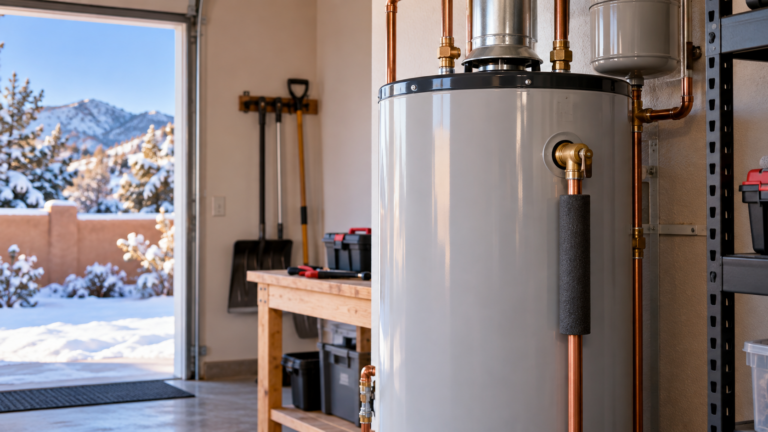
Pipe insulation can reduce heat loss, especially in colder spaces.
6. Repair faulty shower valves
If only one shower has the issue, the cartridge or mixing valve may need service.
7. Upgrade the water heater
If the system is too small or aging, a properly sized replacement can solve recurring hot water problems.
When to Call a Plumber
Call a plumber if:
- The shower loses hot water every time
- Hot water runs out faster than it used to
- Only one shower has temperature problems
- Water heater makes popping or rumbling sounds
- Water is rusty or discolored
- The tank is leaking
- You have a tankless unit with error codes
- Hot water temperature is inconsistent
- You are unsure whether to repair or replace the system
Hot water problems can come from several places, and guessing can lead to unnecessary repairs. A professional diagnosis helps you fix the real issue.
Final Thoughts: Why Your Shower Loses Hot Water So Fast
If your shower loses hot water quickly, the problem may be caused by water heater size, sediment buildup, a failing heating element, a bad dip tube, a faulty shower mixing valve, heavy household demand, or an aging system.
Start with the basics: check whether other fixtures have hot water, think about what else is running, review the water heater temperature, and consider the age of the system. If the problem continues, call a plumber to inspect both the water heater and the shower valve.
A shower that turns cold too quickly is not something you have to live with. In many cases, the solution is straightforward once the real cause is found.
Call 505 Plumbing, Heating & Cooling for Water Heater Help in Albuquerque, NM
If your shower loses hot water fast and you live in Albuquerque or the surrounding area, 505 Plumbing, Heating & Cooling can help. Our team provides honest water heater diagnostics, repairs, replacements, tankless water heater service, shower valve repairs, and hot water solutions for local homeowners.
Whether your hot water runs out too quickly, your shower turns cold halfway through, or your water heater is no longer keeping up, we’ll find the issue and explain your options clearly.
Call 505 Plumbing, Heating & Cooling today at (505) 560-3865.
We treat every home like it’s our own.