When summer heat hits, few things are more frustrating than hearing your air conditioner running but still feeling hot air, weak airflow, or no real cooling inside the house. You can hear the system turn on. The thermostat says it is cooling. The outdoor unit may be running. But the house still feels warm.
If you are asking, “Why is my AC running but not cooling the house?”, the most common causes include a dirty air filter, low refrigerant, frozen evaporator coils, dirty condenser coils, thermostat problems, leaking ductwork, a failing capacitor, blocked airflow, an aging system, or an air conditioner that is too small for the home.
The short answer is this: if your AC is running but not cooling, start by checking the thermostat, air filter, vents, and outdoor unit. If those basics do not solve the issue, you may be dealing with a refrigerant leak, frozen coil, electrical problem, compressor issue, or ductwork failure that requires professional AC repair.
In this guide, we’ll walk through the most common reasons your AC is running but not cooling, how to troubleshoot the problem safely, when it may be a simple fix, and when it is time to call an HVAC professional.
Why Is My AC Running But Not Cooling? Quick Troubleshooting Guide
Before we go deep, here is a quick breakdown of what may be happening.
| Symptom | Possible Cause | What to Do |
|---|---|---|
| AC runs but house stays hot | Dirty filter, low refrigerant, weak airflow | Check filter and vents first |
| Central air not blowing cold air | Frozen coil, refrigerant issue, compressor problem | Turn system off and call a pro if ice is present |
| Air conditioner not cooling properly | Dirty coils, thermostat issue, undersized system | Clean around outdoor unit and check thermostat |
| Some rooms are cool, others are hot | Duct leaks, poor insulation, airflow imbalance | Inspect vents and consider duct evaluation |
| AC runs constantly | Heat gain, low refrigerant, aging system | Schedule HVAC inspection |
| Air coming from vents is warm | Compressor, refrigerant, or electrical failure | Professional repair likely needed |
If your system is blowing warm air, making strange noises, leaking water, or running nonstop, avoid ignoring it. AC problems usually get worse when the system continues running under stress.
AC Running But Not Cooling: Start With These Simple Checks
Before assuming the worst, check the simple things first. Some cooling issues can be solved without major repairs.
1. Check Your Thermostat Settings
It sounds basic, but thermostat settings are one of the most common reasons an air conditioner seems like it is running but not cooling.
Make sure:
- The thermostat is set to cool
- The temperature is set lower than the current indoor temperature
- The fan is set to auto, not just “on”
- The batteries are not low
- The thermostat is not located near direct sunlight, lamps, or appliances
If your thermostat fan is set to “on,” the blower may run even when the AC is not actively cooling. That can make it feel like the central air is not blowing cold air, even though the fan is simply circulating room-temperature air.
Quick fix:
Set the thermostat to cool, set the fan to auto, and lower the temperature by a few degrees. Wait 10–15 minutes and check the vents again.
2. Replace or Check the Air Filter
A dirty air filter is one of the easiest and most overlooked causes of an air conditioner not cooling properly.
When the filter is clogged with dust, pet hair, dirt, or debris, your system cannot move enough air across the evaporator coil. That can cause weak airflow, poor cooling, frozen coils, and higher energy bills.
Signs your air filter may be the problem:
- Weak airflow from vents
- AC runs longer than normal
- Dust buildup around vents
- Indoor air feels stuffy
- System freezes up
- Energy bills increase
Most homeowners should replace filters every 1 to 3 months, depending on pets, dust, allergies, and system usage. During heavy summer use, monthly checks are smart.
Quick fix:
Turn the system off, replace the filter, and restart the system. If the filter was extremely dirty and the AC still does not cool, the coil may already be frozen or restricted.
10 Common Reasons Your AC Is Running But Not Cooling
Now let’s look at the most likely causes in more detail.
1. Dirty Air Filter Restricting Airflow
As mentioned above, a dirty filter can seriously restrict airflow. Your AC depends on steady airflow to remove heat from your home. When airflow is blocked, the system struggles to cool properly.
A dirty filter does more than reduce comfort. It can also:
- Cause frozen evaporator coils
- Strain the blower motor
- Reduce system efficiency
- Increase wear and tear
- Shorten AC lifespan
Why this makes your house stay hot:
Your AC may still run, but it cannot move enough air through the system to cool the house effectively. This is why the unit may sound like it is working while indoor temperatures barely change.
What to do:
Replace the filter and check airflow again. If you see ice on refrigerant lines or the indoor coil area, shut the system off and let it thaw before restarting.
2. Low Refrigerant or a Refrigerant Leak
Refrigerant is the substance that allows your AC to absorb heat from inside your home and release it outside. If your system is low on refrigerant, it cannot cool properly.
Contrary to what many people think, refrigerant does not get “used up” like gasoline. If the system is low, there is usually a leak.
Signs of low refrigerant:
- AC running but not cooling
- Warm or lukewarm air from vents
- Ice on refrigerant lines
- Hissing or bubbling sounds
- Longer cooling cycles
- Higher utility bills
- AC unable to reach thermostat setting
Why this is a serious problem:
Low refrigerant can damage the compressor, one of the most expensive parts of your AC system. Simply adding refrigerant without finding the leak is usually a temporary fix.
What to do:
Call an HVAC technician. Refrigerant handling requires proper tools, certification, and leak detection equipment.
3. Frozen Evaporator Coil
A frozen evaporator coil is another common reason your central air is not blowing cold air. The evaporator coil is the indoor coil that absorbs heat from your home’s air. If it freezes, the system cannot cool properly.
Common causes of frozen coils:
- Dirty air filter
- Low refrigerant
- Blocked return vents
- Dirty evaporator coil
- Blower motor problems
- Poor airflow
Warning signs:
- Ice on refrigerant lines
- Weak airflow
- Water leaking near indoor unit
- AC runs but does not cool
- System shuts off unexpectedly
What to do:
Turn the AC off and switch the fan to “on” if possible. This helps thaw the coil. Do not try to chip ice away. Once thawed, replace the filter and check vents. If the coil freezes again, call a technician.
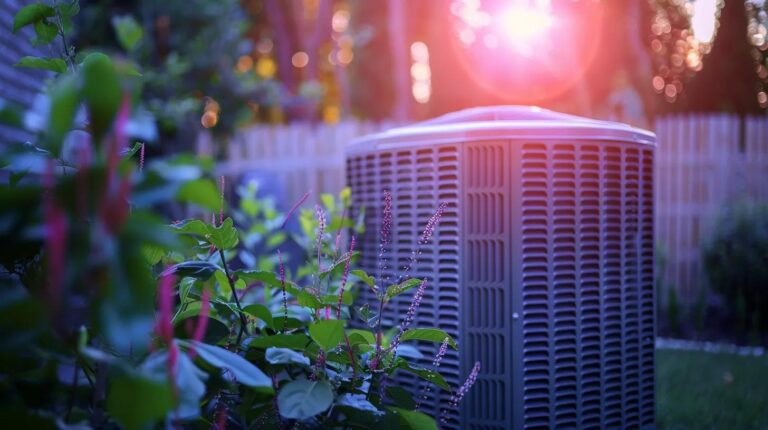
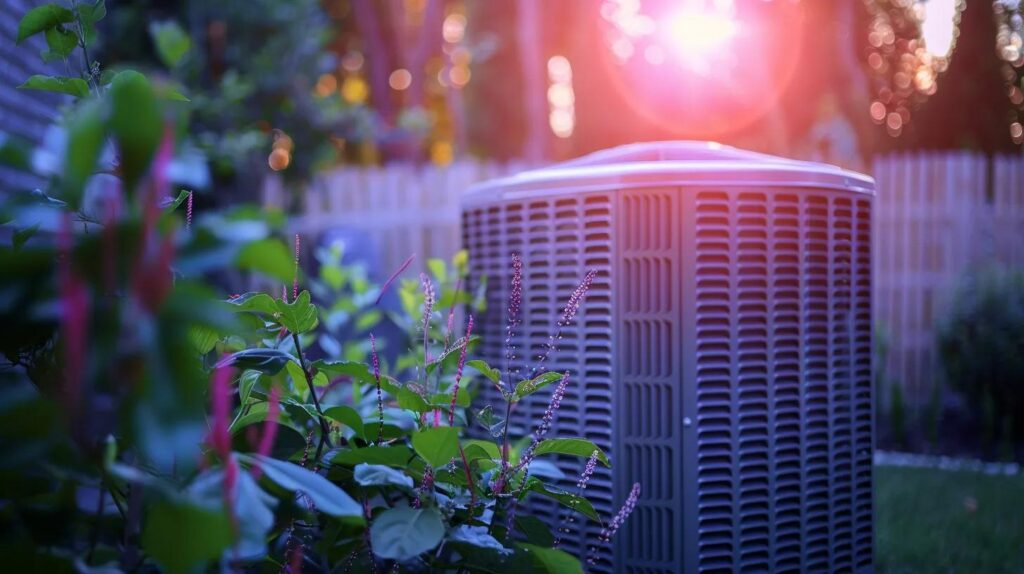
4. Dirty Outdoor Condenser Coil
The outdoor AC unit releases heat from your home. If the condenser coil is covered in dirt, grass clippings, cottonwood, dust, leaves, or debris, the system cannot release heat efficiently.
When heat cannot escape, your AC may keep running without cooling the house effectively.
Signs your outdoor unit is dirty:
- Outdoor unit feels extremely hot
- AC runs constantly
- Cooling is weak
- Energy bills increase
- Unit shuts off during extreme heat
What to do:
Clear at least 2 feet of space around the outdoor unit. Remove leaves, weeds, and debris. You can gently rinse the coil from the outside with a garden hose, but avoid high pressure that could bend fins.
If the coil is heavily packed or damaged, schedule professional cleaning.
5. Blocked or Closed Vents
If your AC is running but certain rooms stay hot, check your supply and return vents.
Blocked vents can reduce airflow and throw off system balance. Closing vents in unused rooms may seem like a money-saving trick, but it can actually increase pressure in the duct system and reduce efficiency.
Look for:
- Furniture blocking vents
- Rugs covering floor registers
- Closed vents
- Dirty vent covers
- Blocked return grilles
What to do:
Open all vents and make sure air can move freely. Keep return vents clear so the system can pull air back into the HVAC system.
6. Leaky or Damaged Ductwork
Sometimes the air conditioner is cooling air properly, but that cold air never reaches the rooms where you need it. Leaky ductwork can lose a significant amount of cooled air into attics, crawl spaces, garages, or wall cavities.
Signs of ductwork problems:
- Some rooms are much hotter than others
- Weak airflow from vents
- Dusty indoor air
- High energy bills
- AC runs constantly
- Ducts make popping or whistling sounds
Why this matters:
If cooled air is escaping before it reaches your living space, your system has to run longer to cool the house. That wastes energy and can shorten the life of the AC.
What to do:
Have ductwork inspected for leaks, disconnected sections, poor insulation, or design problems. Sealing and insulating ducts can dramatically improve cooling performance.
7. Thermostat Problems or Incorrect Placement
Your thermostat tells the air conditioner when to turn on and off. If it is faulty, miscalibrated, or installed in the wrong location, your AC may not cool correctly.
Common thermostat issues:
- Incorrect temperature reading
- Low batteries
- Loose wiring
- Outdated thermostat
- Bad placement near heat sources
- Thermostat exposed to sunlight
If the thermostat thinks the house is cooler than it really is, the AC may shut off too soon. If it is near a hot appliance or sunny window, the AC may run constantly.
What to do:
Replace batteries, check settings, and make sure the thermostat is level and clean. If it still behaves oddly, upgrading to a modern programmable or smart thermostat may help.
8. Failing Capacitor or Electrical Component
Your AC system relies on electrical components to start and run the motors. A failing capacitor can cause the outdoor unit, compressor, or fan motor to struggle.
Signs of a bad capacitor:
- Outdoor unit hums but does not start
- Fan is not spinning
- AC turns on and off quickly
- System struggles to start
- Clicking sounds
- Warm air from vents
Important safety note:
Do not try to replace a capacitor yourself unless you are trained. Capacitors can hold an electrical charge even after power is shut off.
What to do:
Call an HVAC professional. Capacitor replacement is a common AC repair, but it needs to be handled safely.
9. Compressor Problems
The compressor is the heart of your air conditioning system. It circulates refrigerant and makes cooling possible. If the compressor fails, your AC may run but not cool.
Signs of compressor trouble:
- Warm air from vents
- Outdoor unit runs loudly
- Breaker trips repeatedly
- System struggles to start
- AC runs but temperature does not drop
- Refrigerant pressure issues
Compressor issues can be expensive, especially on older systems. If your AC is already 10–15 years old, replacement may be more cost-effective than major compressor repair.
What to do:
Schedule a professional diagnosis. A technician can determine whether the compressor, capacitor, contactor, or refrigerant system is the real issue.
10. Your AC Is Too Old or Too Small for the Home
Sometimes the problem is not a single repair—it is the system itself. If your air conditioner is old, undersized, poorly installed, or unable to keep up with your home’s cooling load, it may run constantly without making the house comfortable.
Signs your AC may be undersized or aging:
- House stays hot even with AC on
- System runs all day during summer
- Repairs are becoming frequent
- Energy bills keep rising
- Indoor humidity feels high
- Unit is 10–15+ years old
- Cooling is uneven throughout the home
Why this happens:
An undersized AC cannot remove enough heat. An aging system may have worn components, poor efficiency, and declining performance.
What to do:
Have a licensed HVAC contractor perform a load calculation and system evaluation. Replacing the unit may be the best long-term solution if repairs no longer make sense.
Why Is My House Still Hot With AC On?
If your house is still hot with the AC on, the problem may not always be the AC unit alone. Your home itself may be gaining heat faster than the system can remove it.
Common home-related causes include:
- Poor attic insulation
- Old or leaky windows
- Gaps around doors
- Unsealed ductwork
- Poor ventilation
- Direct sun exposure
- Undersized AC system
- Dirty air filter or airflow restriction
In hot climates, your AC has to fight against outdoor heat, solar gain, attic temperatures, and indoor heat from appliances. If the house is poorly insulated or the system is not sized correctly, it may never reach the thermostat setting on very hot days.
AC Running Constantly But Not Cooling: Should You Turn It Off?
If your AC is running nonstop and not cooling, it is usually best to turn it off temporarily and investigate.
You should turn it off if:
- Ice is visible on the coil or refrigerant line
- Warm air is blowing from vents
- Outdoor unit sounds unusual
- Breaker trips repeatedly
- You smell burning
- Water is leaking near indoor unit
Continuing to run a struggling system can cause more damage, especially if the coil is frozen or the compressor is overheating.
DIY AC Troubleshooting Checklist
Before calling for service, you can safely check these items:
- Confirm thermostat is set to cool
- Set fan to auto
- Replace dirty air filter
- Open all supply vents
- Clear return vents
- Check outdoor unit for debris
- Make sure breaker is not tripped
- Look for ice on refrigerant lines
- Check if outdoor fan is spinning
- Note any unusual noises or smells
If these steps do not solve the issue, the problem likely requires a professional HVAC diagnosis.
What Not to Do When Your AC Is Not Cooling
When your air conditioner is not cooling properly, avoid these common mistakes:
- Do not keep lowering the thermostat dramatically
- Do not run the system if it is frozen
- Do not ignore warm air from vents
- Do not add refrigerant without checking for leaks
- Do not block or close vents
- Do not attempt electrical repairs without training
- Do not pressure wash condenser coils
Lowering the thermostat from 74°F to 60°F will not make the AC cool faster. It only makes the system run longer, which can worsen the problem.
AC Repair or Replacement: How to Decide
Not every cooling issue means you need a new system. But sometimes replacement is the smarter long-term option.
Repair may make sense if:
- The AC is under 10 years old
- The repair is minor
- The system has been well maintained
- Cooling issues are recent
- Energy bills are still reasonable
Replacement may make sense if:
- The system is 10–15+ years old
- Repairs are becoming frequent
- Compressor failure is suspected
- Energy bills are rising
- Refrigerant is outdated or leaking
- Your home never cools evenly
- Repair cost is close to replacement cost
A good HVAC company should give honest recommendations—not pressure you into replacing a system that can be repaired.
How to Prevent AC Cooling Problems
Preventive maintenance is the best way to avoid summer breakdowns.
Maintenance tips:
- Replace air filters regularly
- Schedule annual AC tune-ups
- Keep outdoor unit clean
- Maintain proper clearance around condenser
- Clean vents and returns
- Check thermostat function
- Have refrigerant levels checked
- Inspect ductwork for leaks
- Do not ignore small performance changes
Annual maintenance can help your system cool better, last longer, and use less energy.
When to Call an HVAC Professional
Call a professional if:
- Your AC is running but not cooling after basic checks
- Air from vents is warm
- The evaporator coil is frozen
- Refrigerant line has ice
- Outdoor fan is not spinning
- Breaker keeps tripping
- System makes loud noises
- AC runs constantly
- Cooling performance keeps getting worse
An HVAC technician can test refrigerant pressures, electrical components, airflow, coil condition, thermostat function, and overall system performance.
Final Thoughts: Why Your AC Is Running But Not Cooling
If your AC is running but not cooling, the problem could be simple—or serious. Start with the basics: thermostat settings, air filter, vents, and the outdoor unit. If those do not fix the problem, you may be dealing with low refrigerant, frozen coils, electrical issues, duct leaks, or an aging system.
The sooner you address the issue, the better. A small repair today can prevent a major breakdown later, especially during peak summer heat.
Call 505 Plumbing, Heating & Cooling for AC Help in Albuquerque, NM
If your AC is running but not cooling and you live in Albuquerque or the surrounding area, 505 Plumbing, Heating & Cooling is ready to help. Our team provides honest AC diagnostics, cooling repairs, air conditioner replacement, and home comfort solutions designed for Albuquerque’s summer heat.
Whether your central air is not blowing cold air, your air conditioner is not cooling properly, or your house still feels hot with the AC on, we’ll find the issue and explain your options clearly.
Call 505 Plumbing, Heating & Cooling today at (505) 560-3865.
We treat every home like it’s our own.